

Choosing the right senior living arrangement is one of the most significant decisions a family will face. According to the U.S. Census Bureau, the population aged 65 and older is projected to reach 95 million by 2060, representing nearly 23% of the total U.S. population. This demographic shift has intensified the need for specialized care options that match the evolving needs of aging adults. For families in Oakland County, Michigan, understanding the critical differences between independent living communities and memory care units is essential for ensuring safety, dignity, and quality of life for their loved ones. (Ambrosia Villa Premier Senior)
Understanding Independent Living Communities
Independent living communities are designed for seniors who are generally active, healthy, and capable of managing their daily activities with minimal assistance. These environments prioritize social engagement, convenience, and freedom from home maintenance responsibilities. Residents typically enjoy private apartments or cottages within a gated or secure community that offers amenities such as dining halls, fitness centers, and organized social events. (Bloomfield Michigan Assisted Living)
The primary goal of independent living is to support an active lifestyle while providing a safety net for those who may need occasional help. This model is ideal for seniors who want to maintain their autonomy but are ready to downsize or reduce the burden of household chores. In Oakland County, many families choose this option for parents who are still mentally sharp and physically mobile but are struggling with the isolation or physical demands of maintaining a large family home.
While independent living offers freedom, it is not a substitute for medical or personal care. Residents are expected to manage their own medications, meals, and hygiene. If a senior begins to struggle with these basic tasks, independent living may no longer be the appropriate choice. Families must monitor for signs of declining health or cognitive changes that require more structured support.
Recognizing When Memory Care is Necessary
Memory care is a specialized form of assisted living designed for individuals with Alzheimer's disease, dementia, or other cognitive impairments. Unlike independent living, memory care provides a secure environment with 24-hour supervision and staff trained specifically in cognitive decline management. The focus shifts from social freedom to safety, routine, and therapeutic engagement.
Signs that a parent may need memory care include wandering, getting lost in familiar places, significant memory loss, difficulty with daily activities like bathing or dressing, and behavioral changes such as agitation or aggression. These symptoms indicate that the individual can no longer safely live alone or in a standard independent living setting. Early intervention is crucial to prevent accidents and ensure the senior receives appropriate medical and emotional support.
Memory care units are often located within or adjacent to assisted living facilities, allowing for a continuum of care. This setup ensures that as a resident's needs change, they can transition to a higher level of care without leaving a familiar environment. For families in Michigan, understanding these signs early can help in planning for a smooth transition when the time comes.
Key Differences Between Care Models
Deciding between independent living and memory care requires a clear understanding of the operational and philosophical differences between the two models. Below, we break down the critical distinctions that impact daily life and long-term care planning.
Safety and Supervision Levels
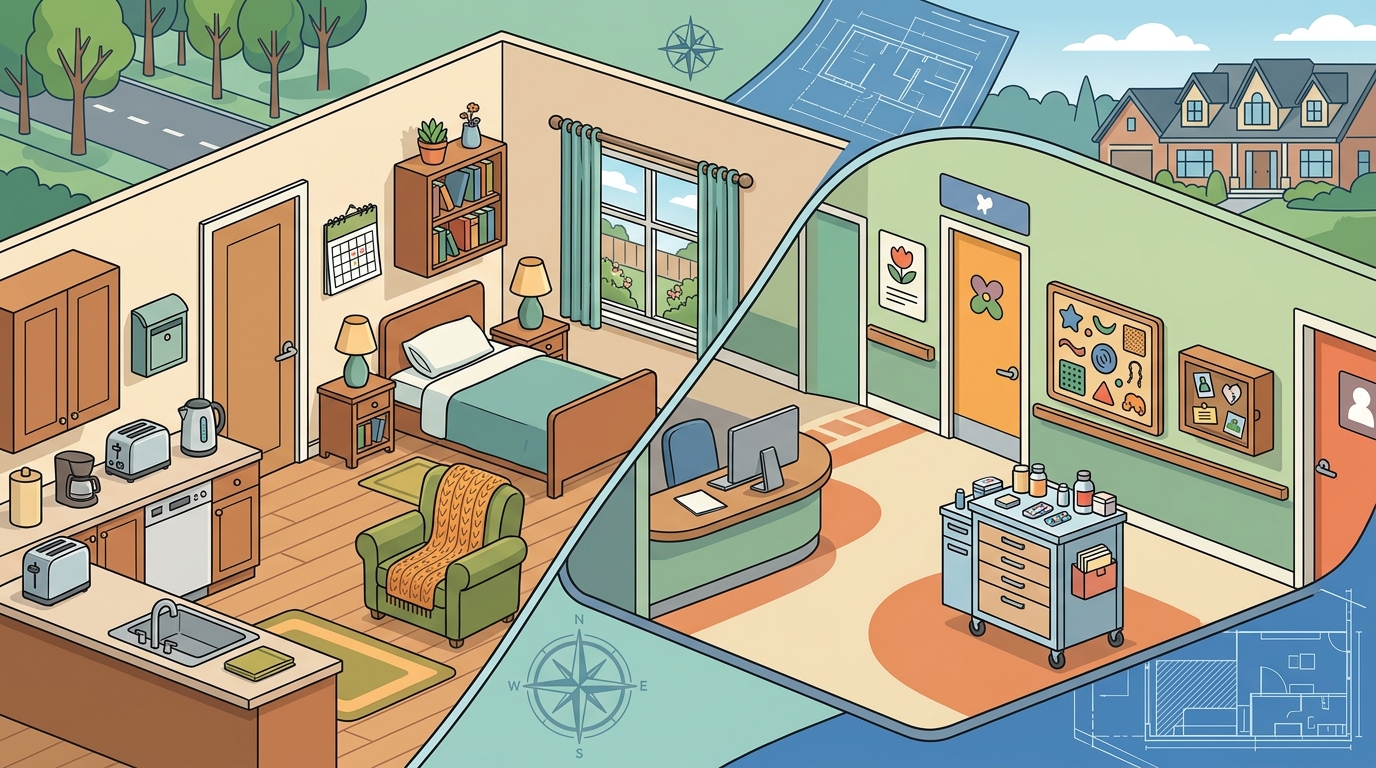
Safety is the most significant differentiator. Independent living communities offer general security features, such as gated entries and emergency call buttons, but they do not provide constant supervision. Residents are free to come and go as they please, which is ideal for those who are still capable of navigating their surroundings safely.
In contrast, memory care units are designed with secure perimeters to prevent wandering, a common and dangerous symptom of dementia. Doors are often locked or monitored, and staff are trained to recognize and respond to wandering behaviors immediately. This high level of supervision is necessary to protect residents who may not understand the risks associated with their environment. The difference in supervision levels is not just about security; it is about providing a structured environment that reduces anxiety and confusion for those with cognitive impairments.
Daily Routine and Structure
Independent living communities emphasize flexibility and choice. Residents can choose when to eat, which activities to join, and how to spend their day. This freedom supports a sense of autonomy and personal identity. Social activities are optional and designed to encourage engagement among peers.
Memory care, however, relies on a structured routine to provide stability and reduce confusion for residents with dementia. Meals, activities, and bedtime are scheduled at consistent times each day. This predictability helps residents feel secure and reduces the likelihood of behavioral issues. Activities are therapeutic and tailored to the cognitive abilities of the residents, focusing on sensory engagement and reminiscence rather than complex social interaction.
Medical and Personal Support
In independent living, personal care services are often available as an add-on or through third-party providers. Residents may receive help with medication reminders or occasional housekeeping, but the core responsibility for health management remains with the resident. Medical care is typically accessed through external providers who visit the community or the resident's home.
Memory care provides comprehensive personal care as part of the core service. This includes assistance with all activities of daily living (ADLs), such as bathing, dressing, toileting, and eating. Medication management is strictly controlled and administered by trained staff. Additionally, memory care facilities often have on-site medical professionals, including nurses and therapists, who specialize in cognitive care. This integrated approach ensures that medical and personal needs are met seamlessly and consistently.
The Ambrosia Villa Approach to Senior Care
At Ambrosia Villa, we understand that the line between independent living and memory care can sometimes blur, especially in the early stages of cognitive decline. Our mission is to provide personalized, excellent care for elderly residents who no longer can live alone. We strive to create a nurturing environment that promotes dignity and a true sense of family and community.
Our unique model features only six residents per home, ensuring consistent, personalized care tailored to meet the specific needs of each resident, including those requiring memory care. This small-group approach allows our caregivers to build meaningful relationships with each resident, providing the stability that is especially important for those living with Alzheimer's disease and other forms of dementia. Unlike large facilities, our residential homes offer the warmth of a real home environment with the expertise families trust.
We serve families at our four Michigan locations: Madison Heights, Bloomfield Hills, Beverly Hills, and Rochester Hills. Our team, led by a former nurse, is dedicated to providing compassionate, personalized care in a warm, family-like environment. We offer 24-hour supervision, safety monitoring, and assistance with all daily living activities. Our all-inclusive pricing model means there are no hidden charges or surprise bills, providing peace of mind for families navigating this difficult transition.
Key Takeaways
- Autonomy vs. Safety: Independent living prioritizes resident autonomy and social freedom, while memory care prioritizes safety and structured supervision for those with cognitive impairments.
- Supervision Levels: Independent living offers minimal supervision, whereas memory care provides 24/7 secure supervision to prevent wandering and ensure safety.
- Care Intensity: Memory care includes comprehensive assistance with all activities of daily living (ADLs), while independent living residents are expected to manage most tasks independently.
- Environment: Ambrosia Villa offers small-group homes with only six residents per location, fostering a family-like atmosphere that larger facilities often cannot match.
- Specialized Expertise: Our caregivers are trained in specialized Alzheimer's and dementia care, ensuring that residents receive expert support for their specific conditions.
- Location Accessibility: We operate four locations in Oakland County, including Beverly Hills, Bloomfield Hills, Madison Heights, and Rochester Hills, making us accessible to a wide range of families.
- Transparent Pricing: Our all-inclusive monthly fee covers all services, including meals, housekeeping, and care, with no long-term contracts required.
Frequently Asked Questions
What is the main difference between independent living and memory care?
Independent living is designed for active seniors who need minimal assistance and value social engagement and autonomy. Memory care is a specialized, secure environment for individuals with Alzheimer's or dementia who require 24-hour supervision and assistance with daily activities.
Can a resident move from independent living to memory care?
Yes, many facilities offer a continuum of care. However, at Ambrosia Villa, we specialize in small-group homes that provide both assisted living and memory care, allowing for a seamless transition within a familiar, home-like environment.
How do I know if my parent is ready for memory care?
Signs include wandering, getting lost, significant memory loss, difficulty with daily tasks like bathing or dressing, and behavioral changes. If these symptoms are present, memory care may be necessary to ensure safety and well-being.
What services are included in memory care at Ambrosia Villa?
Our memory care services include 24-hour supervision, assistance with all ADLs, medication management, home-cooked meals, housekeeping, laundry, and engaging activities tailored to cognitive needs. All services are included in one transparent monthly fee.
Do you accept long-term care insurance?
Yes, Ambrosia Villa is a private pay community that gladly works with all long-term care insurance providers and veteran's benefit programs. We can help guide you through the verification process.
How many residents are in each home?
We maintain a maximum of six residents per home to ensure a high caregiver-to-resident ratio. This small group size allows for personalized attention and a more intimate, family-like atmosphere.
Where are your locations in Oakland County?
We have locations in Beverly Hills, Bloomfield Hills, Madison Heights, and Rochester Hills. Each home is a licensed small group home for the elderly, providing local access to our specialized care.
Next Steps for Your Family
Determining the right care option is a deeply personal decision that requires careful consideration of your loved one's current and future needs. If you are in Oakland County and are unsure whether independent living or memory care is the best fit, we invite you to tour our facilities. Experience the difference that a small-group, family-style approach can make.
Contact us directly at 248-207-6511 to schedule a private tour or to discuss your specific care needs. Our team is here to provide guidance, answer your questions, and help you find the perfect home for your loved one. Visit our Contact Us page to learn more about our locations and services.