
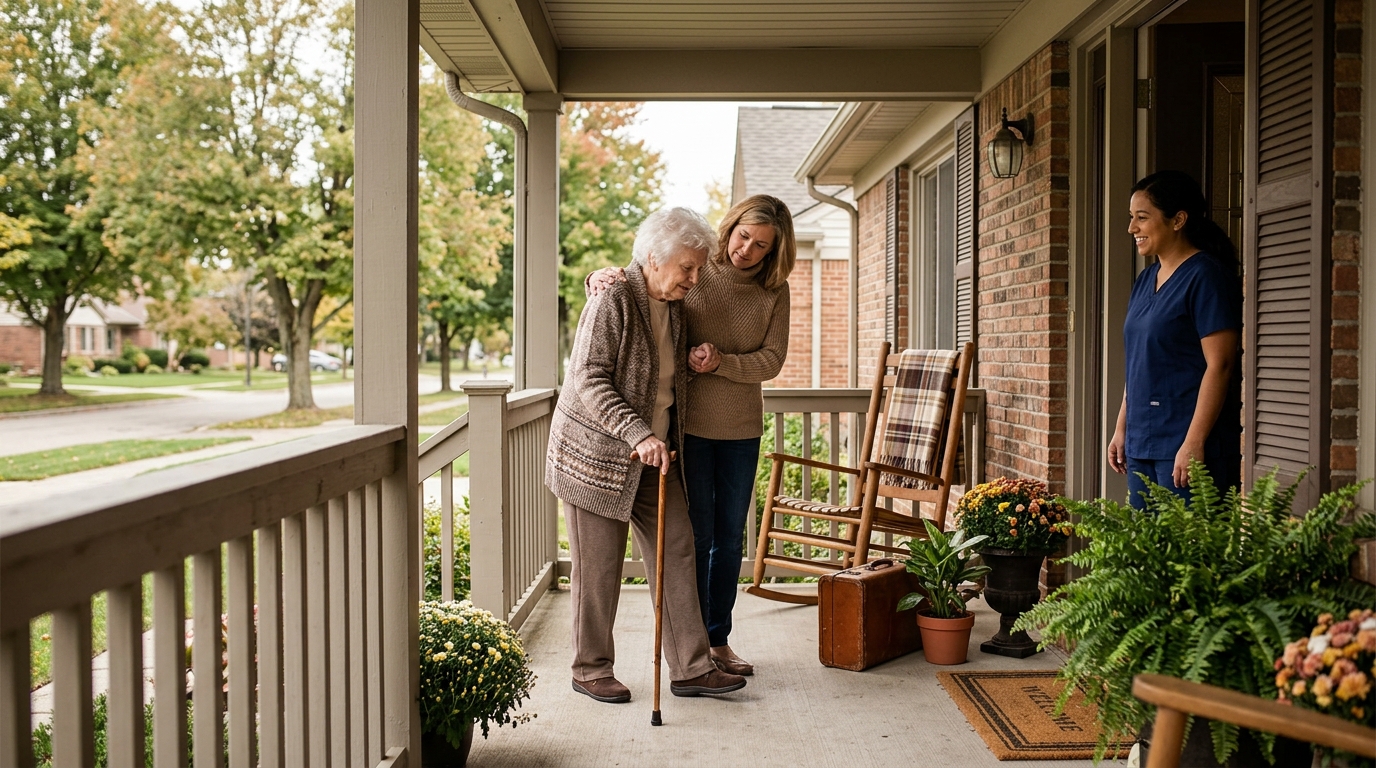
Transitioning a Senior to Assisted Living in Michigan: A Step-by-Step Guide
Relocating a loved one to a senior care facility is one of the most significant decisions a family will face. According to recent demographic reports, the number of Americans aged 65 and older is projected to reach 95 million by 2060, creating an unprecedented demand for quality senior care options across the Midwest. This surge highlights the critical need for families to understand the specific pathways available in Michigan, particularly the distinction between large institutional nursing homes and intimate assisted living environments. Navigating this landscape requires careful planning, financial assessment, and emotional support for both the senior and their family members. (Assisted Living Michigan Schedule)
Understanding Your Care Options
The first step in the transition process is clarifying the level of care required. Many families in Michigan mistakenly assume that "nursing home" is the only option for seniors who can no longer live independently. However, the landscape of senior care in Michigan includes several distinct tiers. Assisted living offers a middle ground between independent living and skilled nursing, providing personal care services in a residential setting. This model is particularly effective for seniors who need help with activities of daily living (ADLs) such as bathing, dressing, and medication management. (Ambrosia Villa Premier Senior)
Assisted living is a type of residential care facility that provides housing, personal care services, and health-related services for people who want an alternative to independent living. Unlike traditional nursing homes, which focus heavily on medical treatment, assisted living homes emphasize lifestyle, dignity, and independence. For seniors in Oakland County and surrounding areas, small group homes have emerged as a preferred alternative to large institutional facilities. These homes typically house fewer residents, allowing for a more personalized and family-like atmosphere. (Blog)
It is crucial to distinguish between a nursing home and an assisted living home. A nursing home is a medical facility that provides 24-hour skilled nursing care for individuals with complex medical needs. In contrast, assisted living focuses on support and companionship. If your loved one does not require constant medical monitoring, assisted living may offer a higher quality of life with greater autonomy. Understanding this distinction is the foundation of a successful transition. (Bloomfield Michigan Ambrosia Villa)
Financial Assessment and Planning
Once the care level is determined, the next critical step is addressing the financial implications. Senior care costs vary significantly across Michigan, influenced by location, level of care, and facility type. In Oakland County, for example, costs can range widely depending on whether the family chooses a large facility or a small group home. Small group homes often provide all-inclusive pricing, which covers meals, housekeeping, and 24-hour assistance, simplifying budget planning for families.
Families should explore various payment options, including private pay, long-term care insurance, and veterans benefits. Medicaid also plays a significant role in funding assisted living for eligible seniors in Michigan. The Michigan Medicaid program provides waivers that can help cover the cost of assisted living services for those who meet specific income and asset criteria. It is advisable to consult with a financial advisor or an elder law attorney to navigate these options effectively.
Another important financial consideration is the transparency of pricing. Some facilities may have hidden fees for additional services, while others offer clear, all-inclusive rates. When evaluating costs, look for facilities that provide detailed breakdowns of what is included in the base price. This transparency helps prevent unexpected financial burdens and ensures that the chosen facility aligns with your family's budget. For instance, Ambrosia Villa offers all-inclusive family-style senior care, which can simplify financial planning for families in Bloomfield, Rochester Hills, and Madison Heights.
Emotional Preparation for the Senior
The emotional aspect of the transition is often the most challenging. Moving to a new living environment can trigger feelings of loss, anxiety, and fear in seniors. It is essential to approach this conversation with empathy and patience. Start the discussion early, allowing your loved one time to process the idea and express their concerns. Listen actively to their fears and validate their feelings without dismissing them.
Involve the senior in the decision-making process as much as possible. Let them visit potential facilities, choose their new room decor, and decide which personal items to bring. This involvement helps restore a sense of control and agency during a time when they may feel they have lost it. Emphasize the positive aspects of the move, such as new social opportunities, reduced household maintenance, and access to professional care.
Memory care is a specialized form of assisted living designed for individuals with Alzheimer's disease or other forms of dementia. If your loved one has cognitive impairments, it is vital to choose a facility with dedicated memory care programs. These programs provide structured activities and secure environments that cater to the unique needs of seniors with memory loss. The transition can be smoother if the facility has experience in handling dementia-related behaviors and provides staff trained in dementia care.
Selecting the Right Facility
Choosing the right facility requires thorough research and multiple visits. Start by creating a list of potential facilities in your desired area, such as Oakland County, Michigan. Use online resources, local senior care guides, and recommendations from healthcare providers to compile this list. When evaluating facilities, consider factors such as location, staff-to-resident ratio, cleanliness, and the overall atmosphere.
Visiting facilities in person is non-negotiable. Observe the interactions between staff and residents during your tour. Are the staff members attentive, respectful, and engaged? Do the residents appear happy and comfortable? Pay attention to the smell of the facility, the condition of the common areas, and the safety measures in place. A well-maintained facility with a warm atmosphere is a good indicator of quality care.
Ask specific questions about the facility's policies and procedures. Inquire about their approach to medication management, emergency protocols, and dietary accommodations. Find out how they handle conflicts between residents and how they support families during the transition. For example, Ambrosia Villa emphasizes compassionate and personalized care, with a focus on creating a nurturing environment that promotes dignity and independence. Their small group home model ensures that each resident receives consistent, tailored support.

Managing the Physical Move
As the move date approaches, begin organizing the physical aspects of the transition. Start decluttering your loved one's home well in advance. Donate, sell, or store items that will not be needed in the new residence. This process can be emotionally taxing, so consider hiring professional organizers or enlisting the help of family members. Focus on keeping only the most meaningful and essential items.
Coordinate with the new facility to understand their move-in process. Some facilities offer packing services or can recommend local moving companies experienced in senior relocations. Ensure that all necessary medical records, insurance documents, and personal identification are organized and accessible. Create a "first night" box with essentials such as medications, toiletries, a change of clothes, and important contact numbers.
During the move, maintain a calm and positive demeanor. Your loved one will pick up on your emotions, so staying composed can help alleviate their anxiety. Plan the move during a time of day when your loved one is typically most alert and comfortable. Avoid scheduling the move on significant holidays or birthdays if possible, as these dates can heighten feelings of loss.
Post-Move Adjustment Strategies
The transition does not end when the boxes are unpacked. The first few weeks and months are critical for adjustment. Visit your loved one frequently during this period to provide support and reassurance. Encourage them to participate in facility activities and meet other residents. Social engagement is key to preventing isolation and promoting a sense of belonging.
Communicate openly with the facility staff. They can provide insights into your loved one's adjustment and help address any concerns. If your loved one is struggling, work with the staff to develop a plan to ease their transition. This might include more one-on-one time with staff, participation in specific activities, or adjustments to their daily routine.
Be patient with the process. Adjustment takes time, and setbacks are normal. Celebrate small victories, such as making a new friend or enjoying a meal in the dining room. Over time, your loved one will likely settle into their new home and find joy in their new community. For families in Michigan, choosing a facility with a strong reputation for compassionate care, such as those found in Beverly Hills or Rochester Hills, can significantly ease this transition.
Key Takeaways
- Understand the Difference: Assisted living provides personal care in a residential setting, while nursing homes offer skilled medical care. Choose based on actual care needs.
- Financial Clarity: Explore all-inclusive pricing models and Medicaid waivers to manage costs effectively in Michigan.
- Emotional Support: Involve the senior in the decision-making process to maintain their sense of control and dignity.
- Small Group Homes: Consider small group homes for a more personalized and family-like atmosphere compared to large facilities.
- Thorough Visits: Always tour multiple facilities and observe staff-resident interactions before making a decision.
- Gradual Transition: Plan the physical move carefully and maintain frequent contact post-move to support adjustment.
- Local Expertise: Utilize local resources in Oakland County for facilities that understand regional senior care needs.
Frequently Asked Questions
What is the difference between assisted living and a nursing home?
Assisted living focuses on personal care and lifestyle support in a residential setting, whereas nursing homes provide 24-hour skilled nursing care for complex medical needs. Assisted living is ideal for seniors who need help with daily activities but do not require constant medical monitoring.
How much does assisted living cost in Michigan?
Costs vary by location and level of care. In Oakland County, prices can range significantly. Small group homes often offer all-inclusive pricing, which may be more predictable than large facilities. It is best to request detailed pricing from specific providers.
Can Medicaid pay for assisted living in Michigan?
Yes, Michigan Medicaid offers waivers that can help cover the cost of assisted living for eligible seniors. Eligibility is based on income and asset limits. Consult with a local elder law attorney or Medicaid specialist for specific guidance.
How do I help my senior adjust to a new facility?
Visit frequently, encourage social participation, and communicate with staff. Allow time for adjustment and celebrate small milestones. Bringing familiar items from home can also provide comfort.
What should I look for when touring a facility?
Look for cleanliness, staff-resident interactions, safety measures, and the overall atmosphere. Ask about care plans, emergency protocols, and dietary options. Trust your instincts about the environment.
Are small group homes better than large facilities?
Small group homes often provide more personalized care and a family-like atmosphere due to fewer residents. However, the best choice depends on the senior's specific needs and preferences. Some may prefer the social opportunities of larger communities.
What is memory care?
Memory care is a specialized type of assisted living for individuals with Alzheimer's or dementia. It provides secure environments and structured activities tailored to cognitive impairments.
Ready to Explore Your Options?
Transitioning a senior to assisted living is a profound act of love and care. By understanding your options, planning financially, and supporting your loved one emotionally, you can ensure a smooth and positive transition. For families in Oakland County, exploring small group homes like Ambrosia Villa can provide a compassionate and personalized care experience. Contact Ambrosia Villa today to schedule a tour and discover the difference in senior care.